The Highland blog
Rust on a Metal Roof: Where It Starts and How to Stop It
By Highland Roofing3 min read
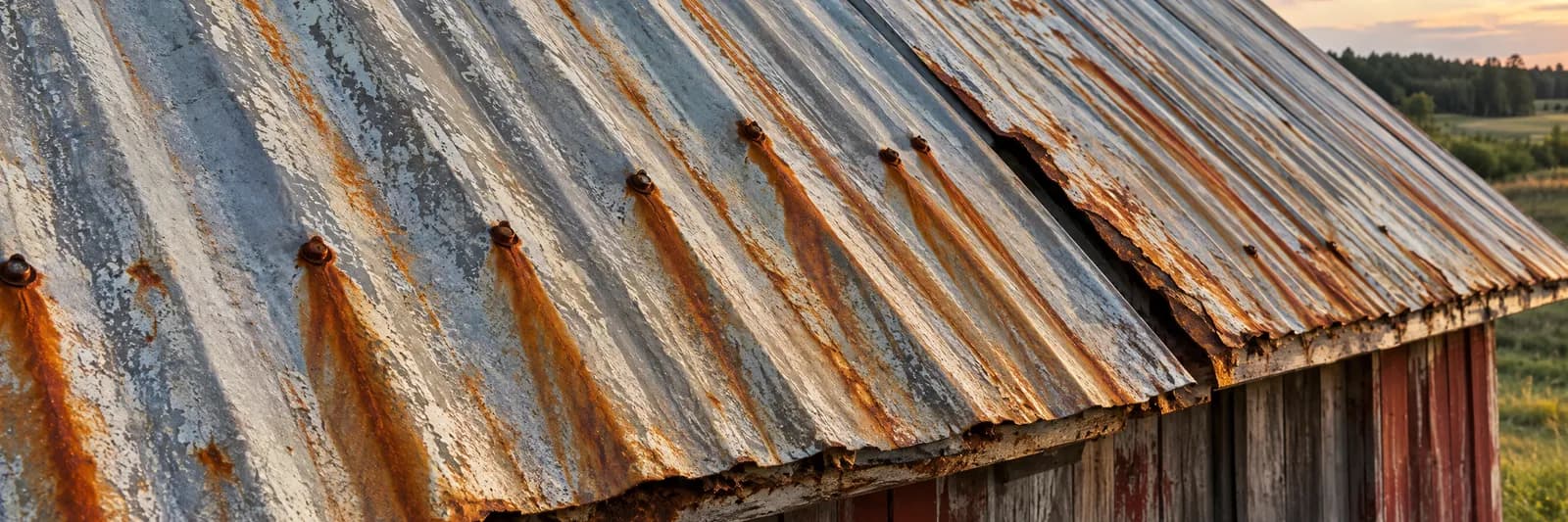
The picture most people have of a rusty metal roof is an old barn: orange streaks running down from every screw, faded paint and holes at the edges. That roof is real, but it is not what a modern coated steel roof does when it is installed and looked after properly.
Modern roofing steel carries a protective metallic layer with a paint system over it. Rust starts where that protection has been broken, and it is almost always somewhere specific. Know the places and you can stop it before it starts.
Why coated steel resists rust
Steel rusts when bare iron meets water and oxygen. A roofing panel keeps them apart with layers: the metallic coating on the steel, a primer, and a finish coat on top. The finish takes the sun and the weather, and the coating underneath protects the steel if the finish is scratched.
That system is what the manufacturer's 45-year coating warranty on Highland's tile-profile panels stands behind. What it cannot do is protect against damage done to it afterwards.
Where rust starts
- Swarf from installation. Drilling and cutting leave tiny steel filings on the roof. Left there, every one rusts and leaves a small orange stain that looks like the panel is failing. A careful installer sweeps them off before leaving each area.
- Cuts made with the wrong tool. Abrasive grinding wheels throw hot particles that burn into the finish and heat the edge they cut. Panels should be cut with shears or nibblers.
- Scratches. A dragged ladder, a falling branch or a tool dropped on the roof can break through the finish.
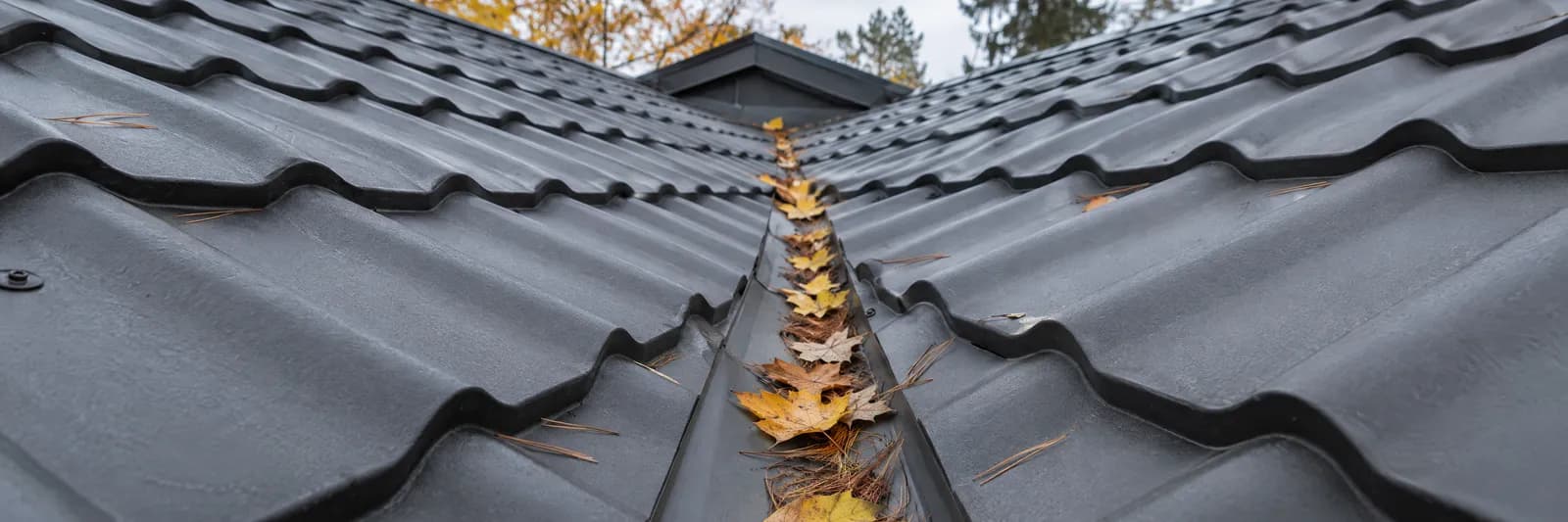
- Wet debris that never dries. Leaves packed into a valley or behind a chimney hold water against the panel for weeks at a time.
- The wrong metal touching the roof. Copper and some other metals react with coated steel, and so can runoff from them. Pressure-treated lumber in direct contact with steel is another one to avoid.
- Fasteners. Screws that do not match the panel, or that were overdriven, are a common starting point on exposed-fastener roofs.
What to do if you find it
Surface rust caught early is a small job. Small spots of staining from swarf can often be cleaned off without harm. A scratch through to bare metal should be cleaned and touched up with paint made for that coating, applied sparingly to the damaged area only. Spraying a large patch to hide a small scratch usually looks worse within a couple of years.
If the rust has gone further, with pitting, a panel edge that has started to lose material or a fastener that is weeping, it needs someone to look at it properly. That is repair work Highland does, on our roofs and other people's.
Keeping it from starting
- Keep valleys, gutters and the uphill side of chimneys clear of debris.
- Trim branches back from the roof.
- Do not let anyone mount anything to the roof without asking what it will be fastened with.
- Have the roof looked over after any work by other trades: dish installers, chimney sweeps and solar crews included.
- Do not use abrasive cleaners or wire brushes. Moss and staining covers safe cleaning.
Old painted roofs that are already rusting across the whole surface are a different situation. If you are wondering whether yours can be saved, can I paint a metal roof and repair or replace are good places to start. Or send us a description and photos.