The Highland blog
Choosing a Metal Roof Colour You Will Not Regret
By Highland Roofing3 min read
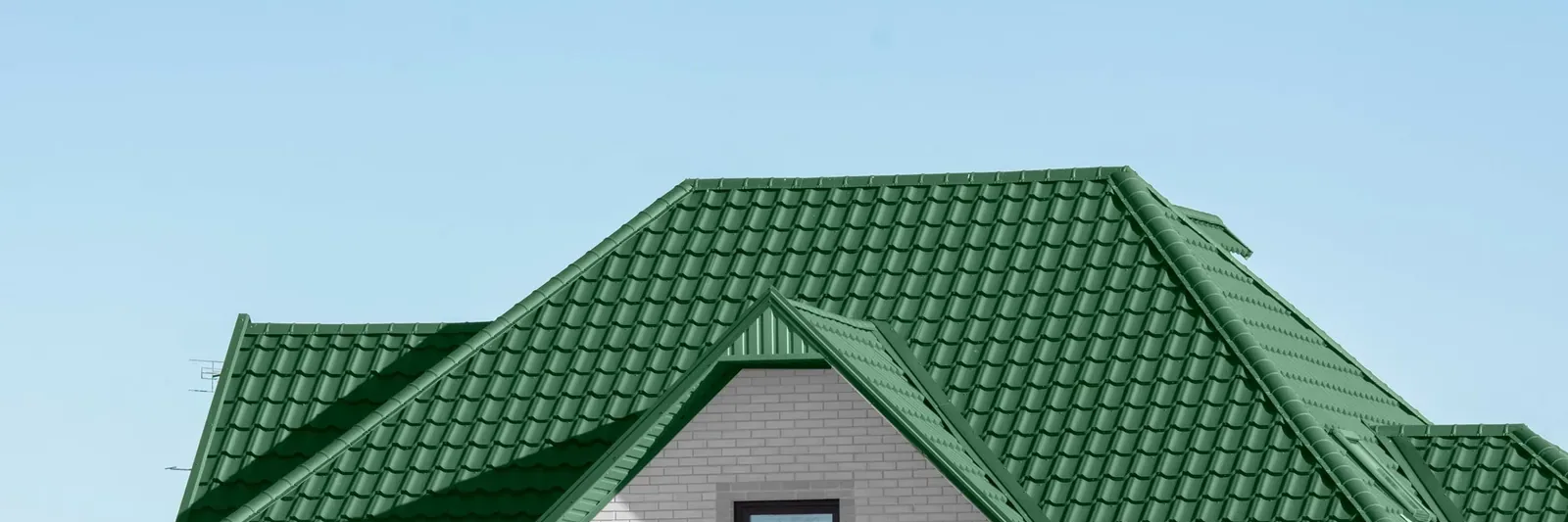
A roof is the largest single-coloured surface on most houses, and you are choosing it from a chip the size of a playing card, indoors, under artificial light. It is a strange way to make a decision that lasts decades.
Here is what actually changes between the chip and the finished roof, and how to get it right.
The palette
Six of Highland's seven profiles come in eight colours. Banff is supplied in black only.
- Black, RAL 9005
- Blue Grey, RAL 7016
- Chocolate, RAL 8017
- Green, RAL 6020
- Grey, RAL 7024
- Mocha Brown, RAL 8019
- Red, RAL 3009
- Terra Cotta, RAL 8004
Those RAL numbers are worth writing down. They are an international standard, so they mean the same thing to everyone and remove any argument about what "grey" meant.
Why the chip lies
Three things change once the colour is on a roof.
Scale. A colour gets visually stronger the more of it there is. A grey that looks safe on a chip can read almost black across a whole roof, and a red that looks restrained can become the first thing anyone notices about your house.
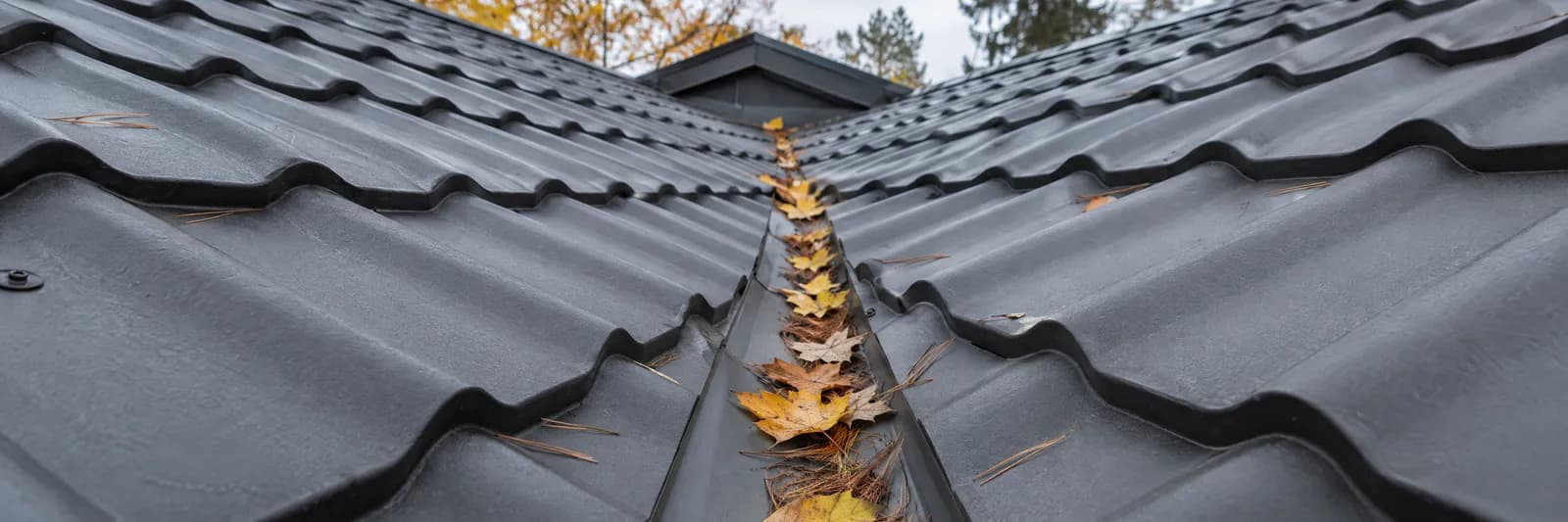
Angle and light. A roof is a sloped surface seen mostly from below and mostly in daylight that moves all day. A profile with a deep shadow line effectively gives you two tones of the same colour, the lit face and the shaded one, which is a large part of why deep profiles look richer than flat ones in the same finish.
Everything around it. The roof has to live with your brick, your siding, your window frames and your eavestroughs. Colours that are individually fine can sit badly together, and the roof is the one you cannot repaint on a Saturday.
The Ontario part
Two local considerations that people from milder places do not think about.
Snow changes everything. For a good chunk of the year the roof is partly or fully white, and the colour that remains is whatever shows around the edges and on the cleared slopes. Dark roofs against snow are high contrast and read as very dark. Mid tones stay closer to themselves.
Wet is not dry. Every colour deepens in the rain. If you are looking at photographs, check whether you are looking at a dry roof or one that has just been rained on.
How to actually decide
- Choose the profile first. Shape constrains colour far more than colour constrains shape.
- Look at finished roofs, not chips. Our gallery filters by profile so you can see the same colour across several houses.
- Try it on a house. The visualizer lets you change roof and facade colours together, which is the combination that actually matters.
- Get a physical sample before you commit. Ask us. Then take it outside, hold it up against your brick, and look at it in daylight rather than under a kitchen light.
- Look at it from the street. Not from three metres away. From where your neighbours see it.
Anything on a screen, including our own visualizer, is an approximation. It is very good for narrowing eight down to two. It is not the thing to sign off on. Ask us for a sample when you are close.