The Highland blog
Concealed or Exposed Fasteners: What the Difference Actually Means
By Highland Roofing3 min read
Somewhere in the process of choosing a metal roof, somebody will tell you that concealed fasteners are better than exposed ones. It is one of those statements that is true often enough to be repeated and wrong often enough to be worth unpicking.
What the two actually are
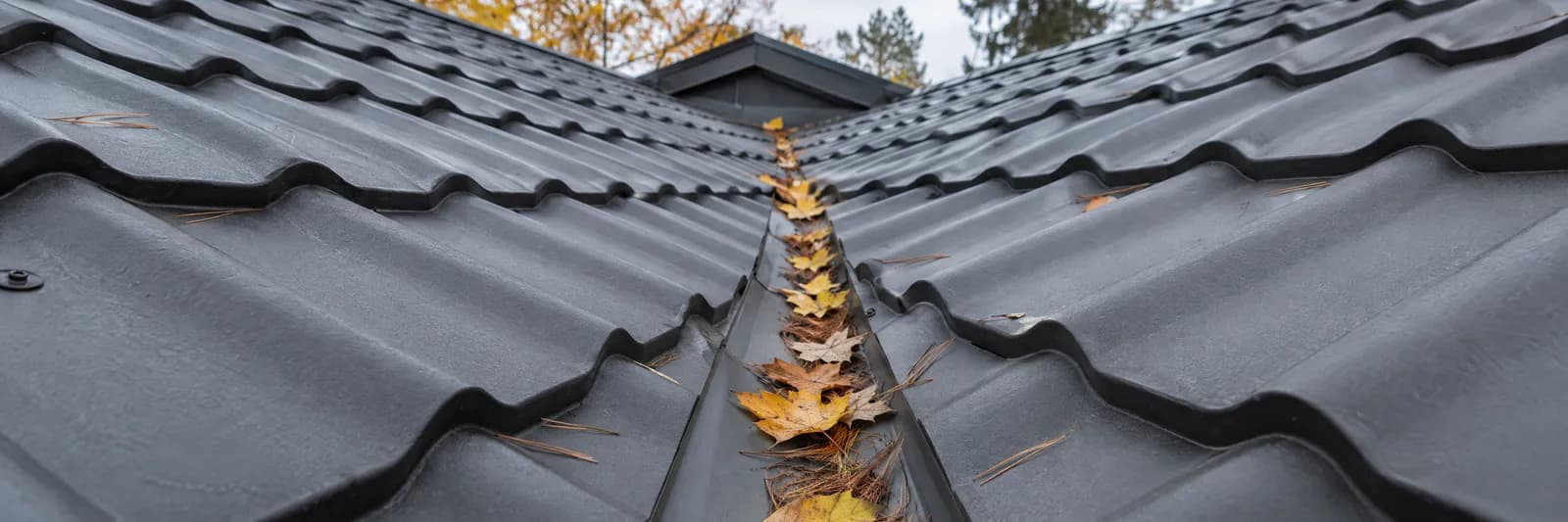
Exposed fastener systems are screwed through the face of the panel into the structure below. The screw head sits on the outside of the roof with a sealing washer under it. Most tile-profile metal roofs work this way, and it is a proven method used on an enormous number of roofs.
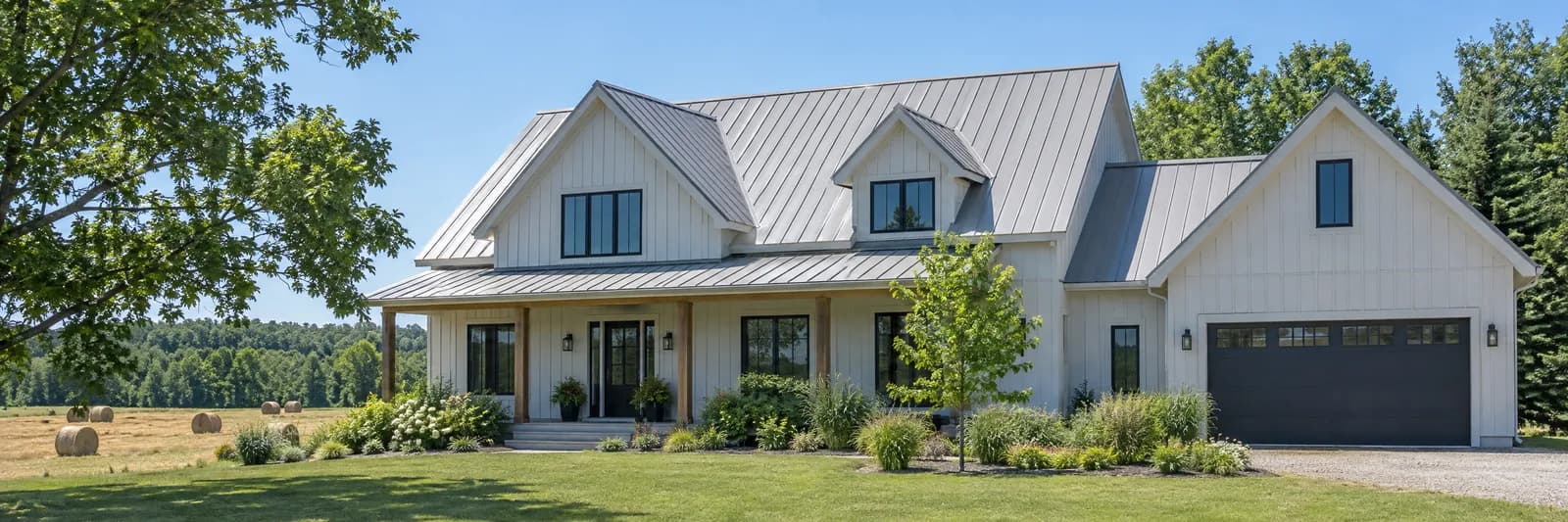
Concealed fastener systems are fixed along the seam or the edge of each panel, and the next panel covers the fixing. Nothing that holds the roof down is exposed to weather or visible from the ground. Standing seam is the common example, and it is the concealed-fastener profile in Highland's range.
Why people prefer concealed
The honest case for concealed fasteners is about the sealing washer.
Every exposed screw relies on a washer compressed between the screw head and the panel. That washer is a consumable. Sun, freeze-thaw cycling and the daily expansion and contraction of a metal roof all work on it. Over a long enough period some proportion of them will need attention, and on a roof designed to last decades, "a long enough period" is well inside its life.
Concealed systems have no exposed washers, so that particular maintenance item does not exist. They also allow the panel more freedom to move with temperature, because it is not pinned through its face.
Why exposed is not a mistake
If exposed fasteners were simply wrong, nobody would fit them, and they are fitted everywhere.
They are straightforward, they are well understood, they handle complicated roof shapes readily, and the maintenance item they introduce is visible, accessible and cheap to deal with when someone actually looks. A well-installed exposed-fastener roof with the right screws, driven to the right depth, in the right pattern, is a long-lived roof.
The failures people describe are usually not failures of the method. They are screws overdriven so the washer is crushed, underdriven so it never sealed, or the wrong screw for the substrate.
How to choose between them
In practice this is usually decided by the look you want, because the two fastening methods belong to two different appearances. If you want the clean vertical lines of standing seam, you are getting concealed fasteners. If you want a deep traditional tile profile, you are getting exposed ones. The fastening follows the profile rather than the other way around.
Where it is worth thinking harder: roofs that are genuinely difficult to get onto later, and roofs on properties nobody visits for months at a time. If nobody is going to be up there checking, a system with fewer things to check has an obvious appeal.
The question worth asking
Rather than asking which system is better, ask your roofer what fastener they use, why that one, and what the pattern is. Someone who answers that specifically is someone who has thought about it. It is also worth asking what the manufacturer's installation instructions require, and whether the quote follows them.
If you want to talk through which of the seven profiles suits your roof, and what that implies for fastening, get in touch.