The Highland blog
How to Choose a Metal Roof Profile
By Highland Roofing3 min read
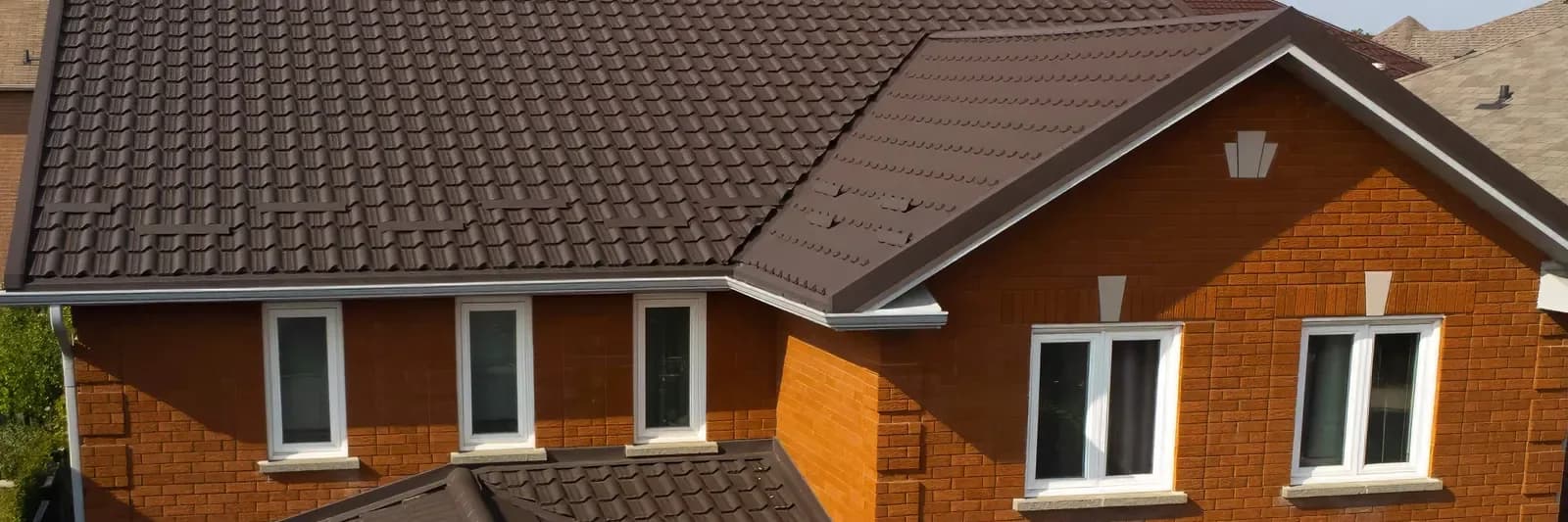
Most people start with colour. Colour is the easier decision and the one you can change your mind about right up until the order goes in. The profile, meaning the shape pressed into the steel, is the one that decides what your house actually looks like from the road, and it is the one worth thinking about first.
Highland installs seven: Banff, Tremblant, Standing Seam, Mont Blanc, Estima, Whistler and Enigma. Here is how to narrow that down without seeing them all in person.
Start with how much roof you can actually see
Stand across the road from your house and look at it properly. On a steep roof with big uninterrupted slopes, the roof is a major visual element and a deep profile with a strong shadow line has room to work. On a shallow roof, or one broken up by dormers and valleys, you see far less of it, and a bold repeating pattern turns busy rather than handsome.
As a rough rule: a lot of visible slope can carry a deep profile. Not much visible slope wants a quieter one.
Then look at the age of the house
An older Ontario house, a century home or a cottage with some character, generally sits better under a profile that reads as a traditional roof covering. Deep tile shapes and irregular shake-like patterns do that. They give the eye something that looks like it could have always been there.
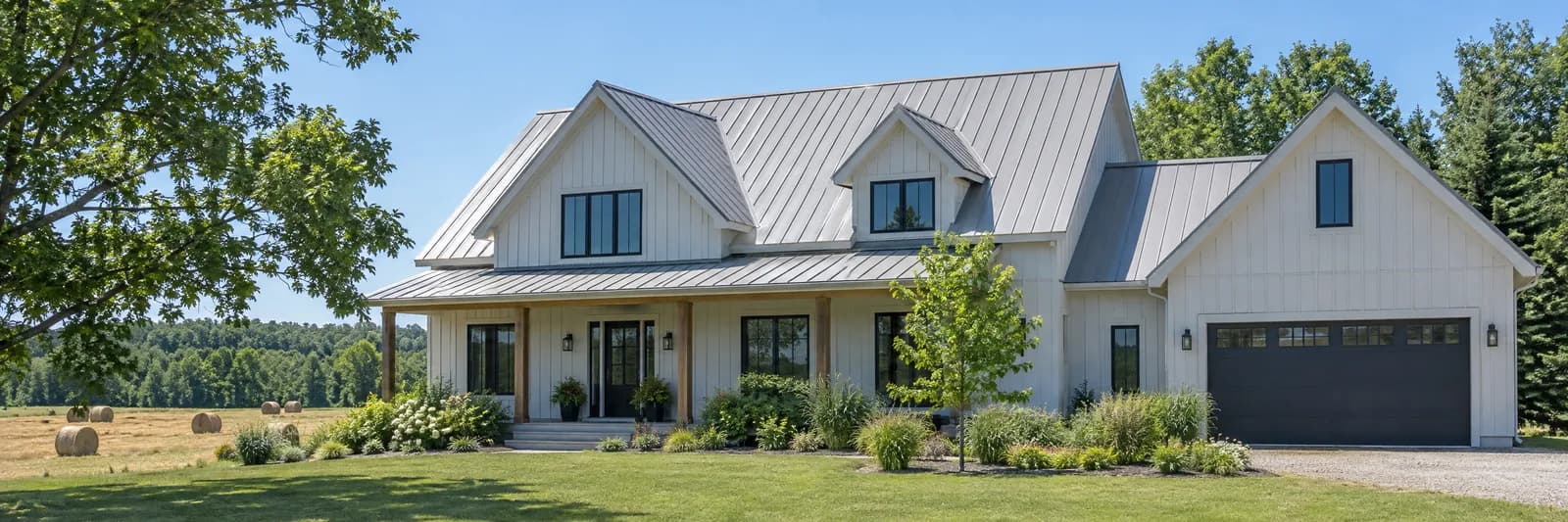
A contemporary house, or a long low modern addition, usually wants the opposite. Clean vertical lines running the full length of the slope, no repeating pattern across it, nothing pretending to be anything else.
The seven, in plain terms
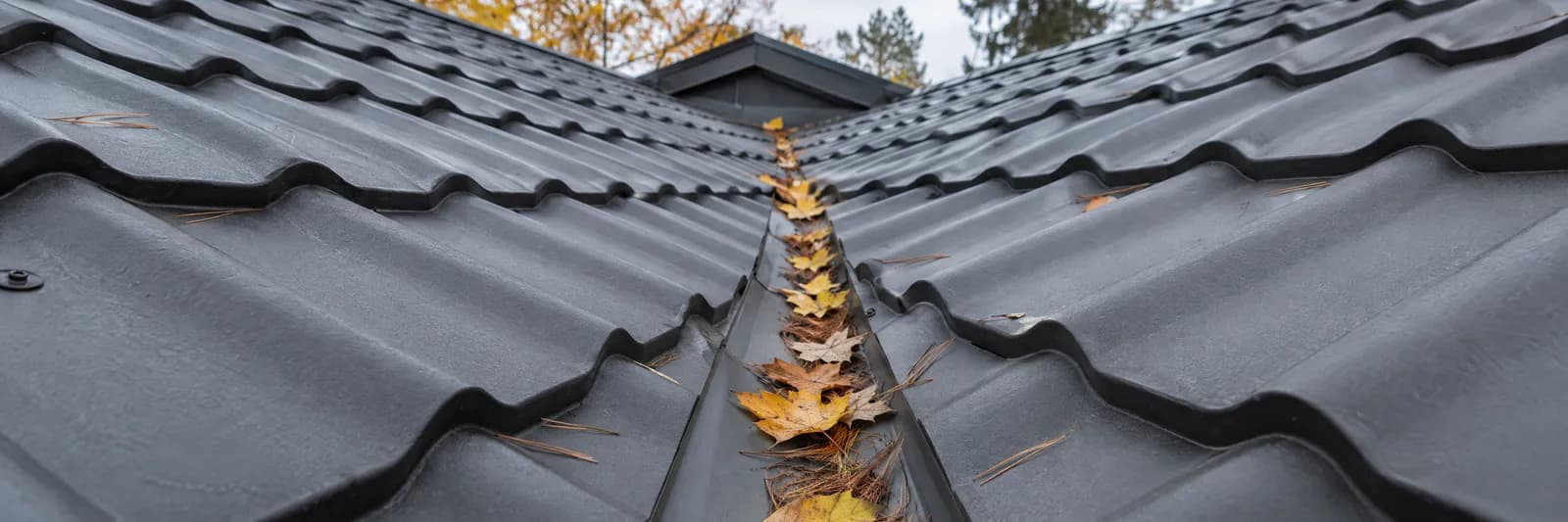
- Banff. A deep classic tile with a pronounced step, and the shape most people picture when they picture a metal roof. Available in black only.
- Tremblant. A bolder step and a longer shadow line. Reads well on larger roofs with plenty of visible slope.
- Standing Seam. Concealed fasteners and clean vertical lines the full length of the slope. The contemporary one.
- Mont Blanc. Fine-grained and low-relief. Keeps a roof visually quiet rather than making it a feature.
- Estima. Low-profile and understated. Suits heritage properties and anywhere the roof should not be the loudest thing about the house.
- Whistler. A tight repeat with a crisp edge, giving a more regular, closely spaced pattern.
- Enigma. An irregular shadow line that reads closer to natural slate or shake than to pressed steel.
Two things people get wrong
Judging a profile from a small sample. A 300 mm offcut in your hand tells you about texture and finish. It tells you almost nothing about how the pattern reads at thirty metres, which is the only distance that matters. Look at finished roofs instead.
Choosing the profile to match the colour. It works better the other way around. Six of the seven come in eight colours, so once the shape is right you still have the full palette. Banff is the exception and comes in black only, which is worth knowing before you fall for it.
See it on a house first
Photographs of completed roofs are more useful than anything else at this stage, because they show the profile at the distance you will actually live with. Our gallery is filterable by profile, and the visualizer lets you put each one on a house and change the colour.
When you are close to a decision, ask us about a physical sample of the finish, and tell us about your roof so we can talk about what suits its pitch and shape.