The Highland blog
Soffit and Fascia: The Parts Nobody Looks At
By Highland Roofing3 min read
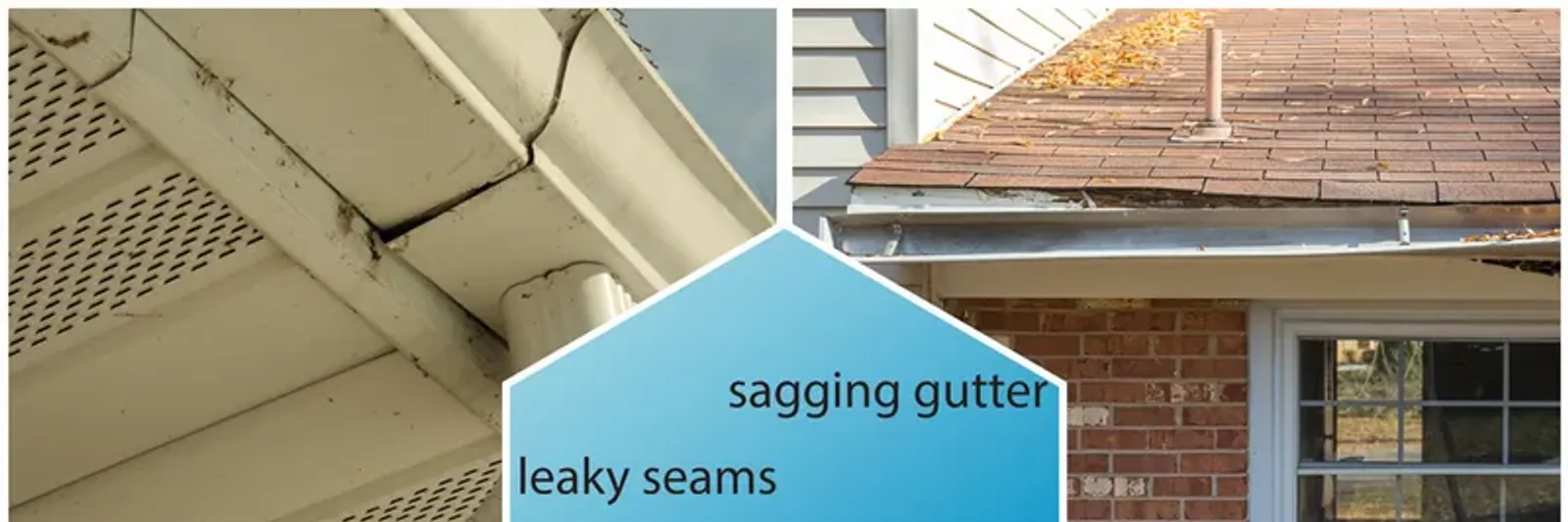
Two parts of your house that almost nobody can name, both doing real work, both usually replaced only after they have failed.
Fascia is the vertical board running along the roof edge, at the ends of the rafters. Your eavestroughs are fixed to it.
Soffit is the horizontal underside of the roof overhang, between the fascia and the wall. It is usually vented.
What they actually do
Fascia carries weight. Not just the eavestrough, but the eavestrough full of water, and the eavestrough full of water with snow arriving on it. It also closes off the ends of the rafters from weather and from animals.
Soffit does something less obvious and more important: it is the intake for the roof's ventilation. Air enters through the soffit vents, travels up the underside of the roof deck, and exits at the ridge. That airflow is what keeps the deck dry in winter and stops the roof space overheating in summer.
Block the soffit and you have not just closed a vent. You have stopped the whole system.
How you know there is a problem
- A run of eavestrough sagging or pulling away. People blame the gutter. It is usually the board behind it.
- Soffit panels out of line, bowed or hanging. Often the first sign of water or an animal.
- Staining on the fascia or soffit. Water is going somewhere it should not, frequently because the drip edge is missing or the gutter is overflowing behind itself.
- Peeling paint on wooden fascia. Moisture behind it.
- Wasps or birds at the overhang. They have found a gap.
- Condensation or staining on the underside of the deck in the attic. Often a blocked soffit, not a roof leak.
The blocked intake problem
This one is worth its own paragraph because it is so common and so invisible.
When attic insulation gets topped up, which is generally a good thing, it is easy to push it out into the eaves and cover the soffit intakes completely. The vents are all still there. Nothing is getting through them.
From that point the roof cannot breathe properly. In winter, moist air from the house reaches a cold deck and condenses, and nobody knows because you would have to be in the attic with a torch to see it. It is a very fixable problem and it is worth checking on any house that has had an insulation upgrade.
Why to do it with the roof
Access is the whole argument. The crew is already up there, the eavestroughs are already off or going on, and the roof edge is already open.
Doing fascia after a new roof means taking the eavestroughs down again. Doing soffit later means working around finished work. The same job costs meaningfully more as a separate visit, and there is a matching argument too: new fascia and eavestroughs against old, weathered soffit is a result people regret.
What to ask
When you get a roofing quote, ask whether the fascia has been assessed and whether it will carry the eavestroughs reliably. Ask whether the soffit intakes are clear, and whether the roofer will check them rather than assume. Ask what happens if the fascia turns out to be rotten once the gutters come off.
Highland replaces and repairs soffit and fascia, as part of a roof or on its own. If your eavestrough is sagging or you have never looked at your overhangs, mention it when you ask for a quote.