The Highland blog
Putting Solar on a Metal Roof
By Highland Roofing3 min read
If solar is anywhere in your thinking, even years out, it is worth raising before the roof goes on rather than after. The two decisions interact more than most people expect, and one order of operations is much better than the other.
Why metal suits solar
The usual way to mount solar on a roof is to bolt a bracket through the covering into the structure, then seal around it. Every one of those is a deliberate hole in a watertight surface, and every one relies on a sealant that ages.
On a standing seam roof you can avoid that entirely. The raised seams are a structural feature running the full length of the slope, and clamps grip them directly. No holes, nothing driven through the panel, nothing relying on sealant.
That is a meaningfully better arrangement, and it is the main reason standing seam turns up so often in commercial solar.
What about the tile profiles?
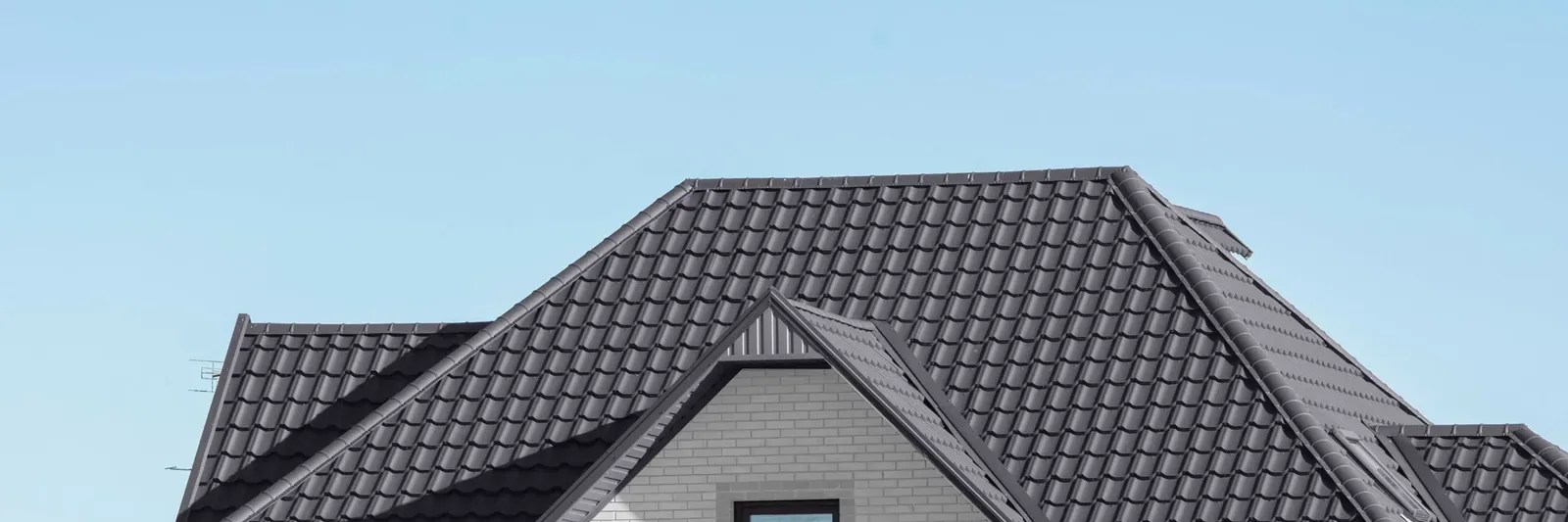
Mounting on a profiled tile-style panel is possible but it is a different exercise. There is no continuous seam to clamp, so the fixing generally goes through the panel at the high points into the structure below, with the manufacturer's detailing for sealing.
It is done regularly. It just gives up the specific advantage that makes standing seam attractive here. If solar is likely and you have not settled on a profile, it is a real argument for standing seam.
The lifespan argument
This is the part people underestimate. Solar equipment is generally expected to run for decades. A roof needs to outlast it comfortably, because taking an array off, replacing a roof, and putting the array back is an expensive, awkward job that nobody budgets for.
Putting solar on a roof that is already halfway through its life is how people end up doing exactly that. A metal roof installed now, with a coating warranted for decades, is a sensible base to build on.
Do the roof first
If both are on the horizon, the roof goes first. Always.
And tell your roofer that solar is coming, even if it is five years out. It changes small decisions: where penetrations are placed so they do not conflict with a future array, how the ventilation is arranged, which slopes are kept clear, and where snow guards go, because a solar array is one more thing you do not want a slope of snow arriving on.
What to check with your solar installer
- Does the mounting system clamp to the seam, or penetrate the panel?
- Is the method compatible with the roof manufacturer's requirements, and does using it affect the coating warranty?
- Who is responsible if the roof leaks where the array is mounted?
- Can the array be removed and refitted if the roof ever needs work underneath it?
That third question is the one to settle in writing before anyone drills anything. Two trades on one roof is exactly the situation where responsibility gets blurry.
If solar is part of your plan, mention it when you ask for a roofing quote and we will factor it into the profile discussion.