The Highland blog
Squirrels, Raccoons and Birds at the Roofline
By Highland Roofing3 min read
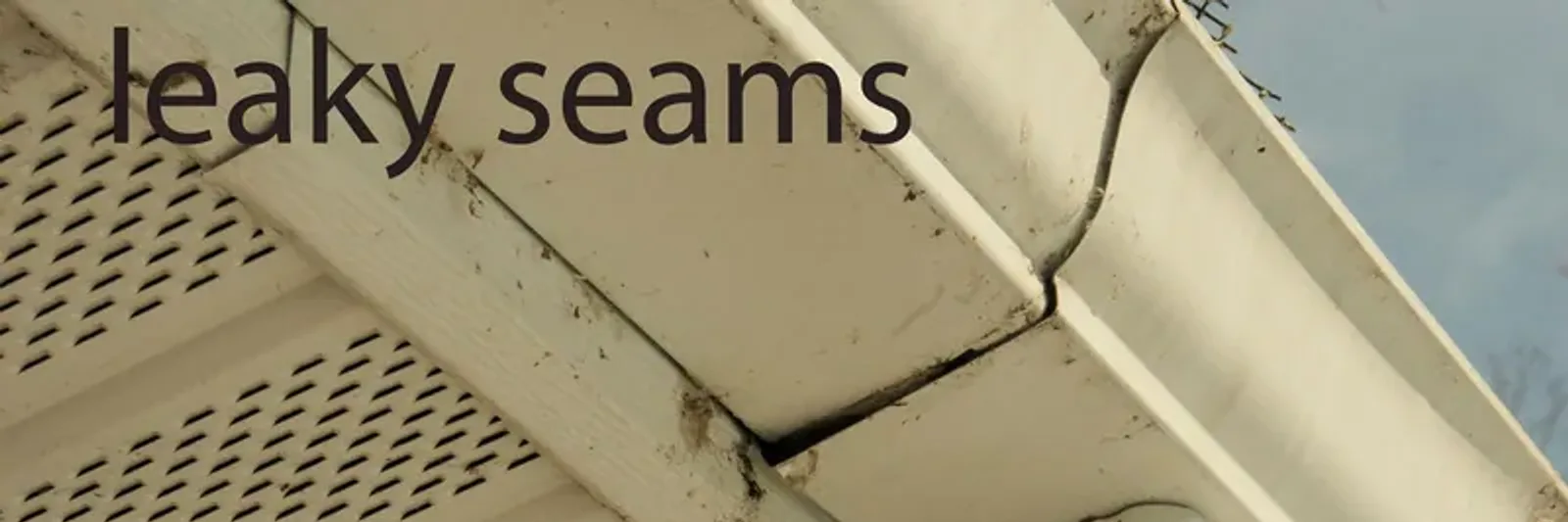
Something is moving above your ceiling. It is almost never coming through the roof covering, which is continuous, fixed down and unappealing to chew. It is coming in at an edge.
The roofline has a lot of edges, and several of them are deliberately open, because a roof has to breathe.
The places they get in
- Soffit panels. The underside of the overhang. Panels that have come loose, sagged, or were never properly clipped leave a gap straight into the roof space. This is the most common entry point by a wide margin.
- The roof-to-wall junction. Where a lower roof meets a wall, particularly at the ends. Squirrels find these readily.
- Fascia and the gutter line. Rotten fascia is soft, and soft is an invitation.
- Roof vents. Plastic vents become brittle with UV and cold, and raccoons are strong enough to remove them once they are.
- The gable ends. Vents and any gap where the roof meets the gable.
- Chimney chases and flashing gaps. Birds especially.
Why it is worse than the noise
The noise is the symptom people notice. The damage is underneath it.
Animals in a roof space compress and displace insulation, which quietly reduces its performance. They chew, and what is up there to chew includes wiring. They bring in nesting material, which is combustible and holds moisture. They leave waste, which is a health issue and a smell that outlasts the animal. Raccoons in particular will enlarge an opening to suit themselves rather than settle for the one they found.
The longer it goes on, the less of it is a wildlife problem and the more of it is a repair.
The part people get wrong
Sealing a roofline is not the same as blocking every opening, and this is where well-intentioned work causes new problems.
Soffit vents are intake for the roof's ventilation. Air enters low at the eaves, travels up the underside of the roof and leaves at the ridge. Seal the soffits solid to keep squirrels out and you have stopped the roof breathing, and you will get condensation on the underside of the deck instead. You have traded a visible problem for an invisible one that damages structure.
Done properly, the openings stay open and get screened. Metal mesh, fixed to something solid, sized to keep animals out while air still moves.
Do it in the right order
Sealing a roofline with an animal inside it traps the animal, which ends badly for everyone. Establish that the roof space is empty first, and be aware of nesting seasons: closing an opening with young inside is both cruel and a much worse problem in a fortnight.
If something is currently living up there, that is a wildlife removal job first and a roofing job second.
What to look for yourself
Walk the perimeter and look up at the underside of the overhang. You are looking for panels out of line, dark gaps at corners, staining, and anything chewed. Check where a lower roof meets a wall, and look at the vents on the roof for damage or displacement.
Inside, check the attic for daylight, disturbed insulation and droppings.
Highland seals rooflines, and repairs and replaces the soffit and fascia behind the problem, which is often the real fix rather than screening a hole in a rotten board. Tell us what you are hearing and where.