The Highland blog
What Is Under a Metal Roof, and Why It Decides How Long It Lasts
By Highland Roofing3 min read
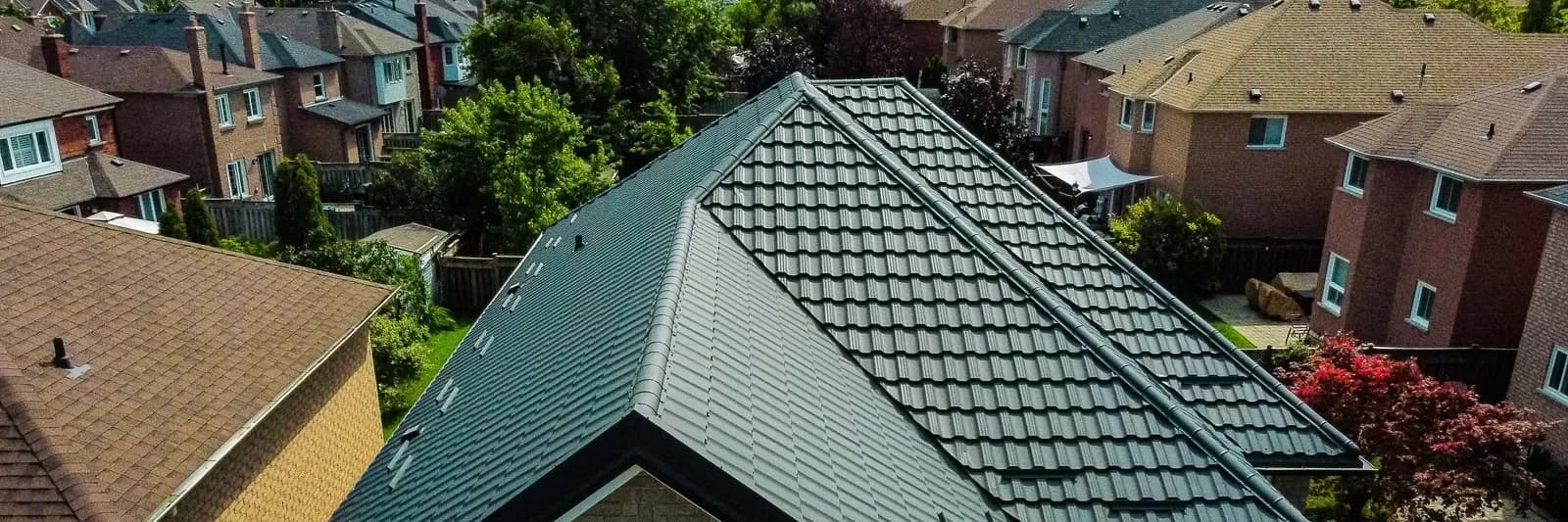
Two roofs can look identical on the day the scaffolding comes down and have completely different lifespans. The difference is underneath, where you will never see it again.
This is also, not coincidentally, where quotes differ. Panels are easy to compare. What goes under them is not, unless you know what to look for.
The layers, in order
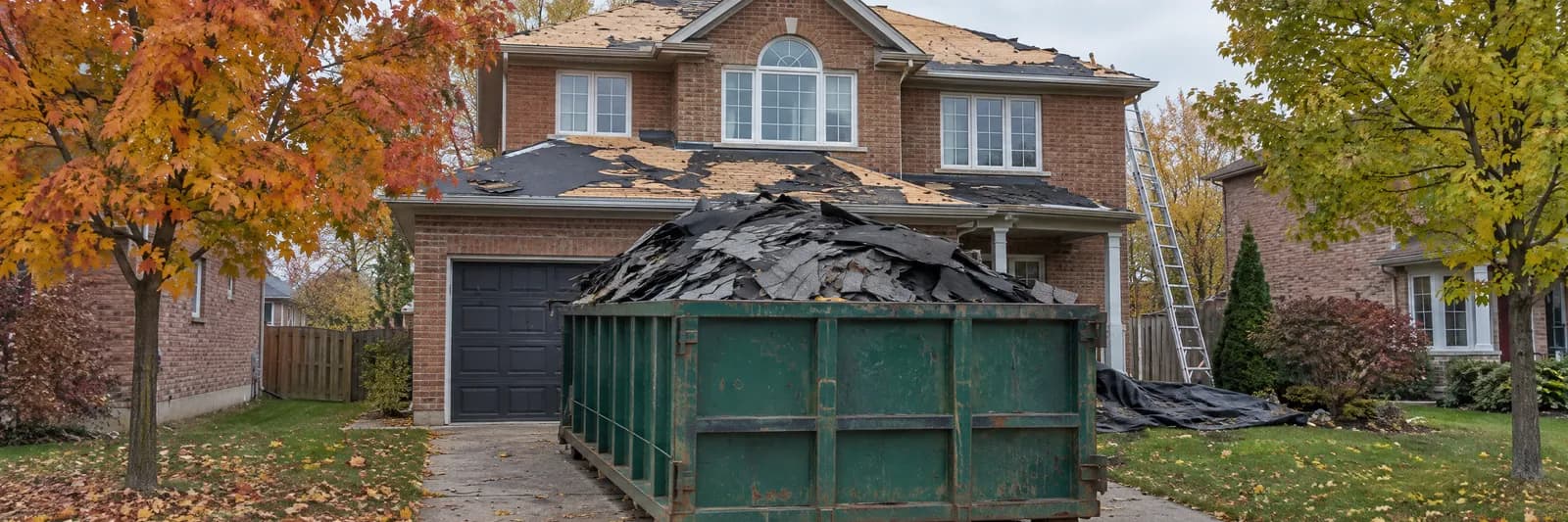
- The deck. The old covering comes off and the sheathing is inspected board by board. Anything soft or delaminated is replaced before anything new goes down. Nobody can price this precisely in advance, because nobody can see it until the roof is open.
- Ventilation and mesh. The roof needs a path for air, and it needs that path not to become a home for wasps and rodents.
- Underlayment. The secondary barrier. If water ever gets past the panels, at a valley, around a chimney, or driven sideways by wind, this is what stands between it and your deck.
- Vertical strapping. Battens running up the slope, creating the drainage and ventilation plane.
- Horizontal strapping. The grid the panels actually fix to, set out to the panel's own module so every fixing lands where it should.
- Drip edge and starter flashing. How the roof terminates at the eaves, and where water is handed off to the eavestrough rather than behind it.
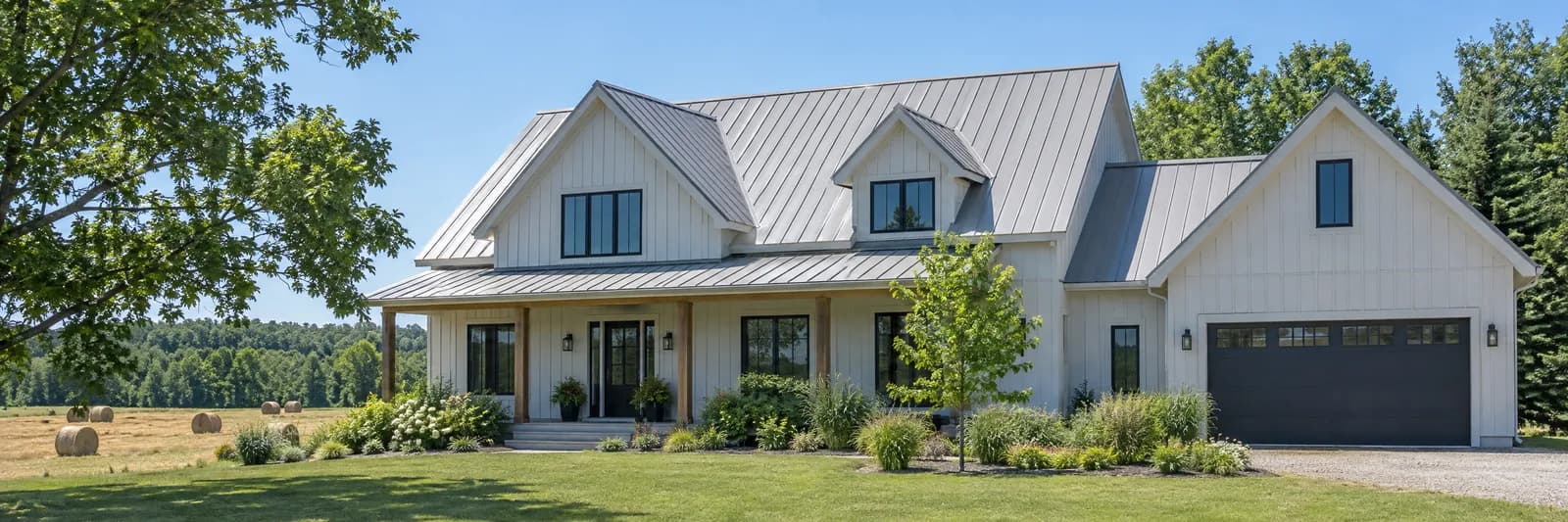
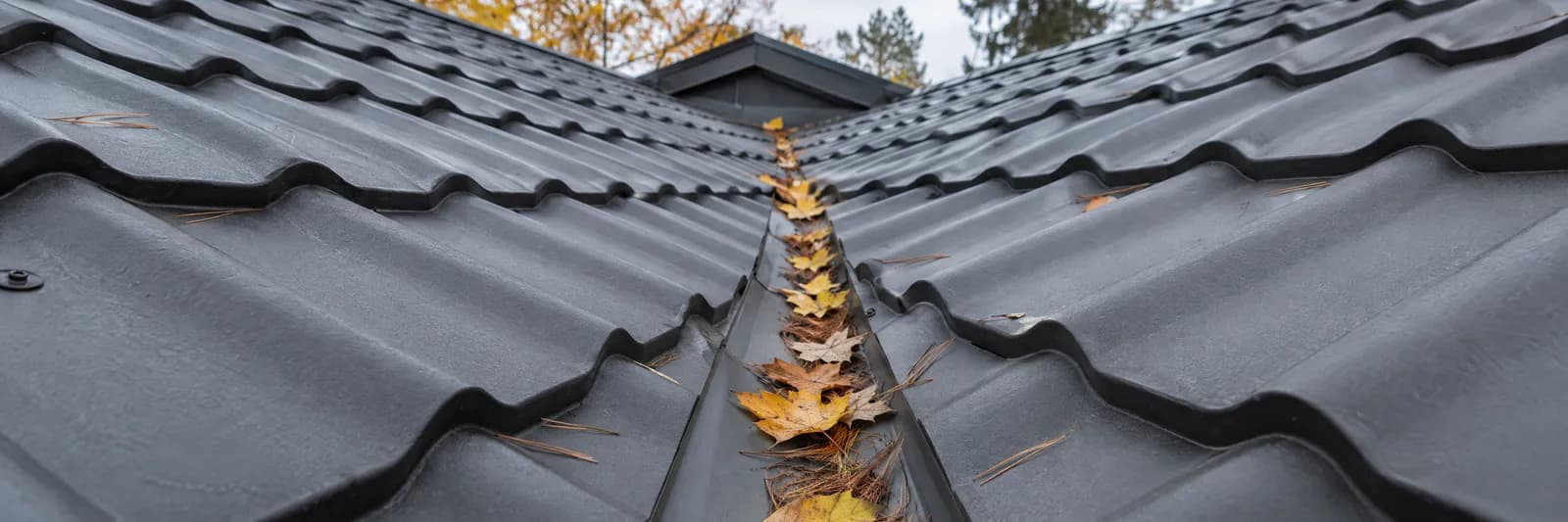
- The panels. The part everyone talks about.
- Ridge cap. Closes the top while still letting air out.
- Gable trim. Finishes the rake edges and keeps wind from getting under the panel edge.
- Snow guards. Controls where snow goes when it releases. Highland fits these as standard rather than quoting them as an extra.
The two that do the most work
The strapping grid is the one people have never heard of. It creates an air gap between the underlayment and the panel. That gap lets the underside of the roof dry, gives condensation somewhere to go, and stops the panel from sitting hard against a damp surface for thirty years. It is also what makes the fixing pattern regular and predictable.
The ventilation path is the other. A roof is a system that has to breathe from the eaves through to the ridge. Interrupt it, or never establish it properly, and you get condensation on the underside of the deck in winter. That is a slow problem, invisible from inside, and it damages the structure rather than the roof covering.
What gets quietly left out
When one quote is well below the others, the difference is rarely the steel. It is usually one or more of: the strapping grid, the ventilation work, the quality and coverage of the underlayment, the flashing details around chimneys and vents, disposal of the old roof, and whether deck repair is priced honestly or discovered later as an extra.
None of those are visible on the finished roof. All of them are visible on the quote if you ask for the work to be itemised.
How to check
Ask each company to list what is going between the deck and the panels, in order. Ask what happens if the deck turns out to be damaged, and how that gets priced. Ask how the roof is ventilated and where the air comes in and goes out.
You can see the whole sequence assembled step by step on our installation page, which is the same order we work in on site. If you want it explained against your own roof, ask us.