The Highland blog
Your Cottage Roof Spends Winter Alone
By Highland Roofing3 min read
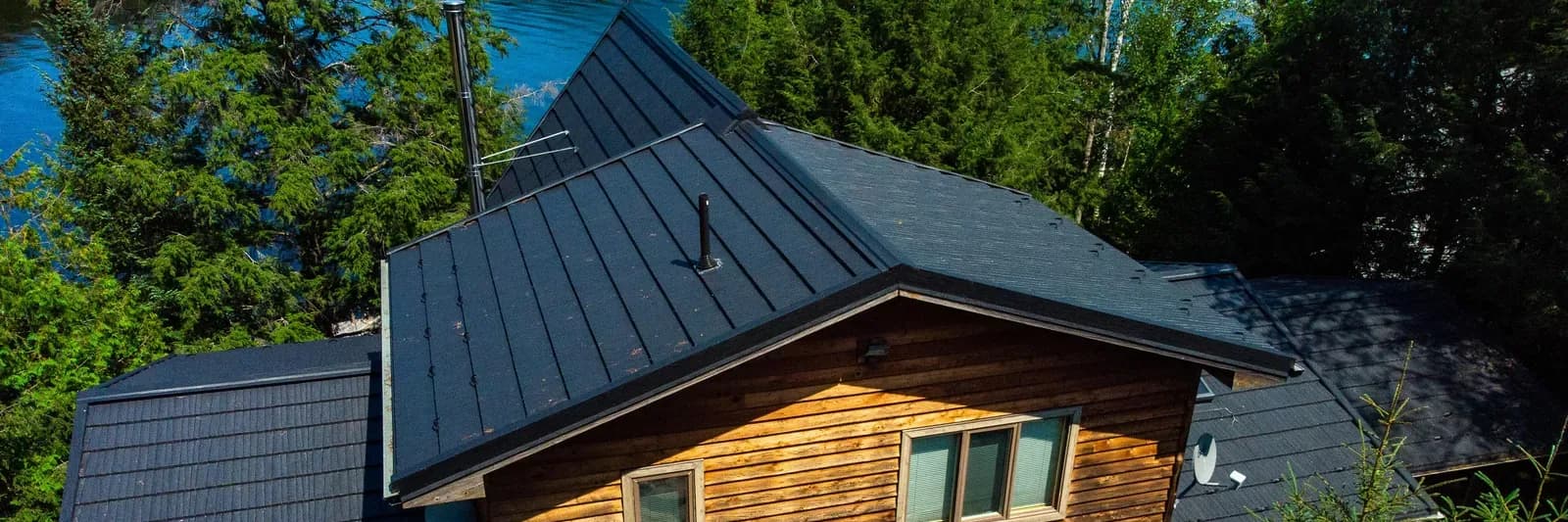
The difference between a house roof and a cottage roof is not the construction. It is that somebody walks past a house every day.
On an occupied house, a stain appears on a ceiling and somebody sees it that week. On a seasonal property, the same stain appears in November and is first seen in May, having been fed by six months of freeze, thaw and snow melt.
That single fact should change how a cottage roof is specified, not just how it is maintained.
What goes wrong while nobody is there
- Ice at the eaves. Builds over weeks with nobody to notice or clear it, and backs water up under the covering.
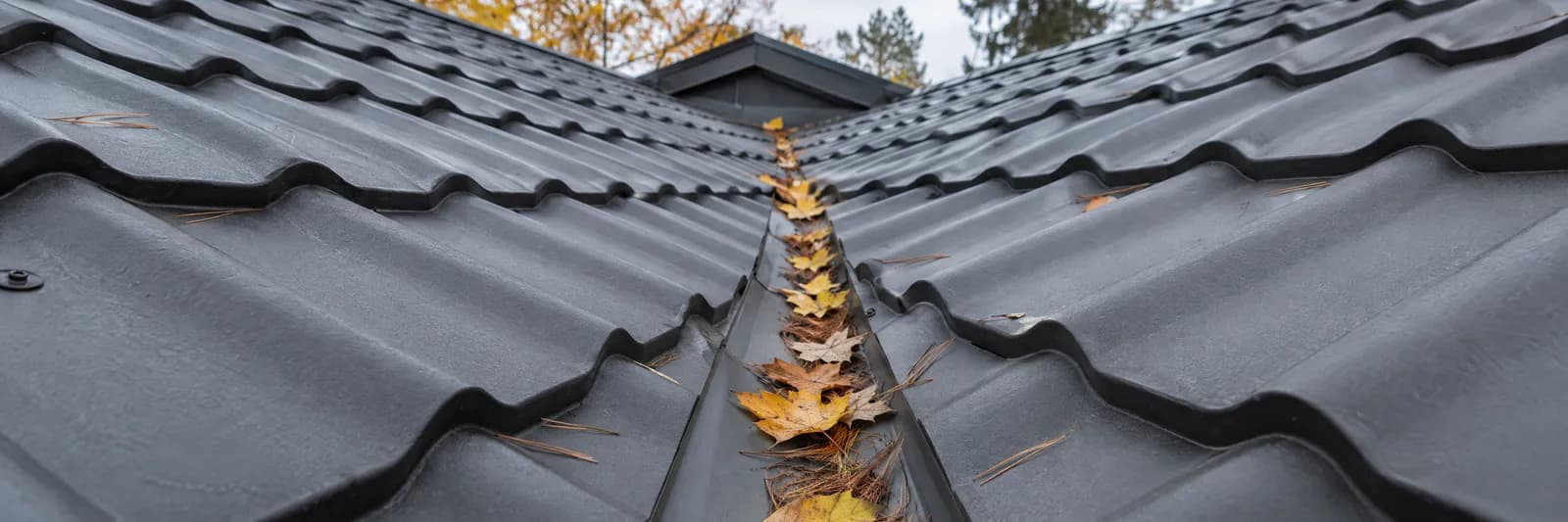
- Blocked eavestroughs. Autumn leaves nobody cleared, then frozen solid, then overflowing against the fascia all spring.
- Wind damage. A lifted edge or displaced flashing after a January storm stays lifted until spring.
- Branches. Whatever comes down in an ice storm stays where it landed.
- Animals. An empty, quiet building is attractive, and there is nobody to hear anything move in.
- Condensation. Unheated or intermittently heated buildings cycle through the dew point constantly, which is harder on a roof space than steady cold.
What that means for how it should be built
A roof nobody inspects should need less inspecting. That is a design goal, and it points in some specific directions.
Fewer maintenance items exposed to weather. Detailing that is generous rather than marginal, because nobody is going to catch the marginal one early. Ventilation that genuinely works, because condensation is the failure mode that does its damage invisibly. Snow guards where snow would otherwise land on a deck, a walkway or a lower roof, since nobody is there to shovel. And eavestroughs sized for the roof, because an overflowing gutter has all winter.
Metal helps here, and it is worth being clear about why: snow releases rather than accumulating, there is nothing to lift the way a shingle tab does, and the surface does not degrade season by season. It is a good choice for a building nobody watches. It is not a substitute for the roof being built properly.
Closing up in autumn
Ten minutes on the last visit is worth more than anything you can do in May.
- Clear the eavestroughs and check the downspouts run.
- Look up at the roof from all four sides and photograph it, so you have a record of how it looked.
- Cut back anything overhanging.
- Check the soffits for gaps.
- Look at the attic if you have access, for daylight and for staining.
Opening up in spring
Before anything else, walk the perimeter and look up. Compare against your autumn photographs. Then check the ceilings, especially in corners, around chimneys and on the top floor. Then look in the attic.
Anything you find is at its cheapest right then, and it gets more expensive every month you leave it.
Highland works across cottage country as well as the Greater Toronto Area. If you are opening up and something does not look right, send us photographs and we will tell you what we think you are looking at.